Editorial
White Paper
How Enterprise Legal Teams Are Rethinking How Matters Get Managed

In a vacuum, the latest Apple executive departures were of little note. Apple user interface design leader Alan Dye and a deputy decamped for Meta last week, and longtime Apple watchers greeted the move warmly.
Dye, the guy behind Apple’s controversial "Liquid Glass" operating system, was reportedly better at corporate politics than design, and his departure is set to make room for fresh sensibilities within the tech giant.
But zoom out a bit, and Dye’s move to Meta might well be the start of the great AI device wars, which appear ready to explode.
Meta is going to put Dye on its AI wearables projects, bringing his Apple know-how to the Ray-Ban Meta and Meta Ray-Ban Display glasses, the latter of which contains a screen in its lens. With Amazon, Google and OpenAI also working on their own AI hardware, the race to create the device of the future is getting underway with urgency.
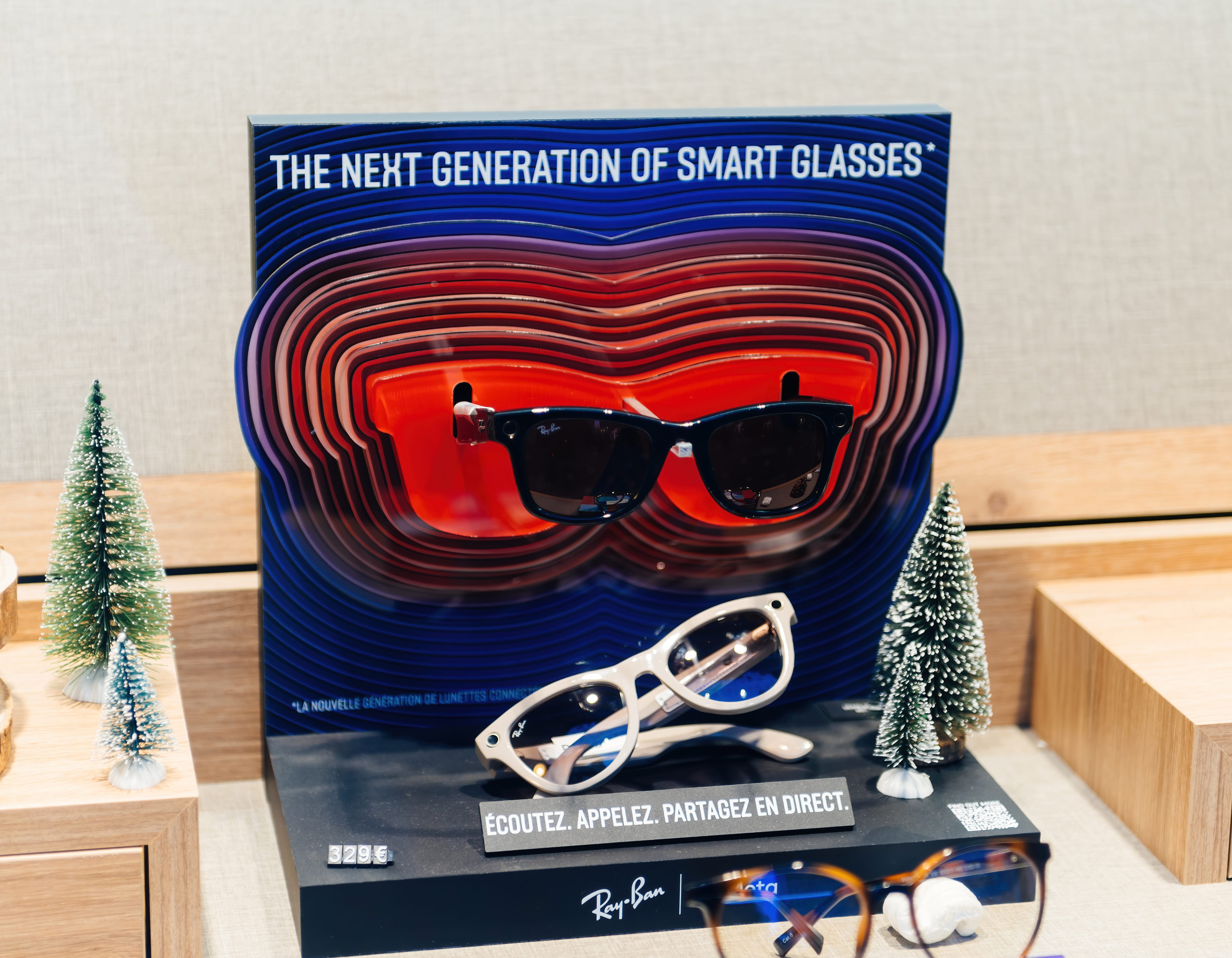
“We’re at a historic inflection point where the AI devices we’re building are poised to fundamentally reshape the way we interact with technology,” Meta chief technology officer Andrew Bosworth said in a post announcing Dye’s hiring. “Excited to see what this team can do.”
For Meta and Apple, the fight is personal. Meta’s leadership has long hated working through operating systems like Apple’s iOS to reach their users. And Apple has used its power to cause the company serious problems, breaking Meta’s ad targeting and even shutting down its internal apps at one point. Meta’s been so determined to get ahead of the next computing shift that it bet massively (and wrongly) on virtual reality and the Metaverse. But AI-powered wearables are showing more promise — with sales of smartglasses tripling this year — and Meta is out ahead.
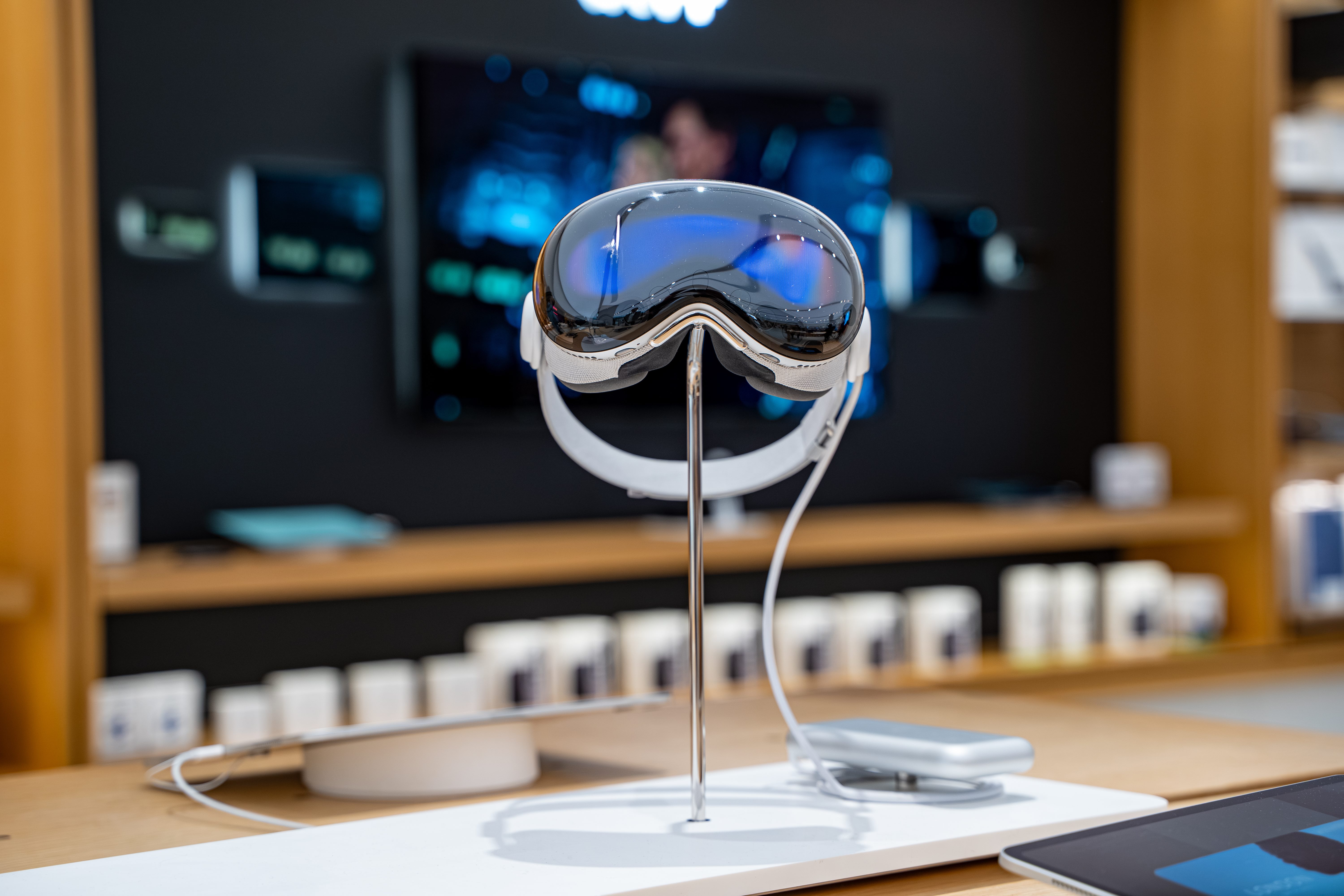
Apple understands the stakes. While an AI device likely won’t replace the iPhone, the category could be an area of significant growth over time. So Apple has been working on a smartglasses product of its own — once again following Meta, as it did with the Vision Pro — and its aiming its release for sometime next year. Apple’s AI device will only be as good as the assistant inside, however. And if it’s the same Siri that exists today, it won’t matter how nice the wearable looks and feels, it will disappoint.
Related Article: Meta Acquires Rivos to Build Custom AI Chips, Cut Infrastructure Costs
Given how crucial a good AI model is to any AI device’s success, OpenAI’s forthcoming gadget should have a solid chance to beat its competitors. Sam Altman and legendary ex-Apple designer Jony Ive have finally settled on the device’s form factor. Set to come out within two years, the device is rumored to be screenless and smartphone sized. If that’s the case, it may be better suited as an app. Ive and Altman seem likely to have a few false starts before settling on a device that works. But with a $6.5 billion deal inked to start the project, their effort will be serious.
Speaking of false starts, Amazon’s Alexa+ is now rolling out widely. The AI-powered assistant is smarter than the early iterations of Alexa and can hold a conversation as you chat with it in the kitchen or living room. Alexa+ is better than the early reviews let on. And Amazon has hundreds of millions of Echo devices in circulation, along with its own smartglasses, the Echo Frames.
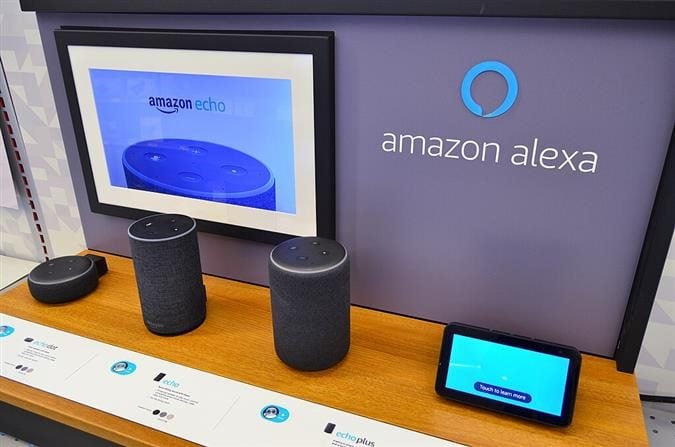
Amazon leadership seems to be thinking far beyond the glasses form factor too. “Every device in the lab, we’re Day One on it,” Amazon head of devices and services Panos Panay told me in October.
Google, which just completed a rapid-fire AI comeback, may surprise in the AI device race as well. As the originator of the Google Glass, it has shied away from jumping fully back in, but the company’s Gemini model gives it a solid chance to compete and it’s now working on mixed reality partnerships with Samsung and Warby Parker.
Related Article: How Google Pulled Off Its Stunning, Rapid-Fire AI Turnaround
So far, early AI devices like the Humane Pin, Rabbit R1 and the Friend.com wearable haven’t been inspiring. But given the amount of money and effort the tech giants are putting into it, this category could be real very soon. And the race, just starting to heat up, is wide open.
 Learn how you can join our contributor community.
Alex Kantrowitz is a writer, author, journalist and on-air contributor for MSNBC. He has written for a number of publications, including The New Yorker, The New York Times, CMSWire and Wired, among others, where he covers the likes of Amazon, Apple, Facebook, Google, and Microsoft. Kantrowitz is the author of "Always Day One: How the Tech Titans Plan to Stay on Top Forever," and founder of Big Technology. Kantrowitz began his career as a staff writer for BuzzFeed News and later worked as a senior technology reporter for BuzzFeed. Kantrowitz is a graduate of Cornell University, where he earned a Bachelor of Science degree in Industrial and Labor Relations. He currently resides in San Francisco, California. Connect with Alex Kantrowitz: 
