Editorial
On-Demand Webinar
Do More with Less: Modernizing the Cloud Contact Center

Imagine a customer service moment so meaningful you remember it long after the transaction is done. That’s the shift CX leaders must make — moving service from the back‑office cost center to a front‑door brand amplifier.
In this article, we’ll illuminate how this works in practice: How empathy‑driven interactions, emotionally rich micro‑moments and human‑centered data strategies turn satisfied customers into true superfans.
For many organizations, customer service remains a cost center: a place where issues are resolved, often with efficiency as the metric. But when viewed instead as a strategic value creator, service becomes a vital brand touchpoint. As Ellen Gates, a partner at Credera, points out, when a service interaction feels part of the brand promise rather than just fixing a problem, it opens the door to loyalty.
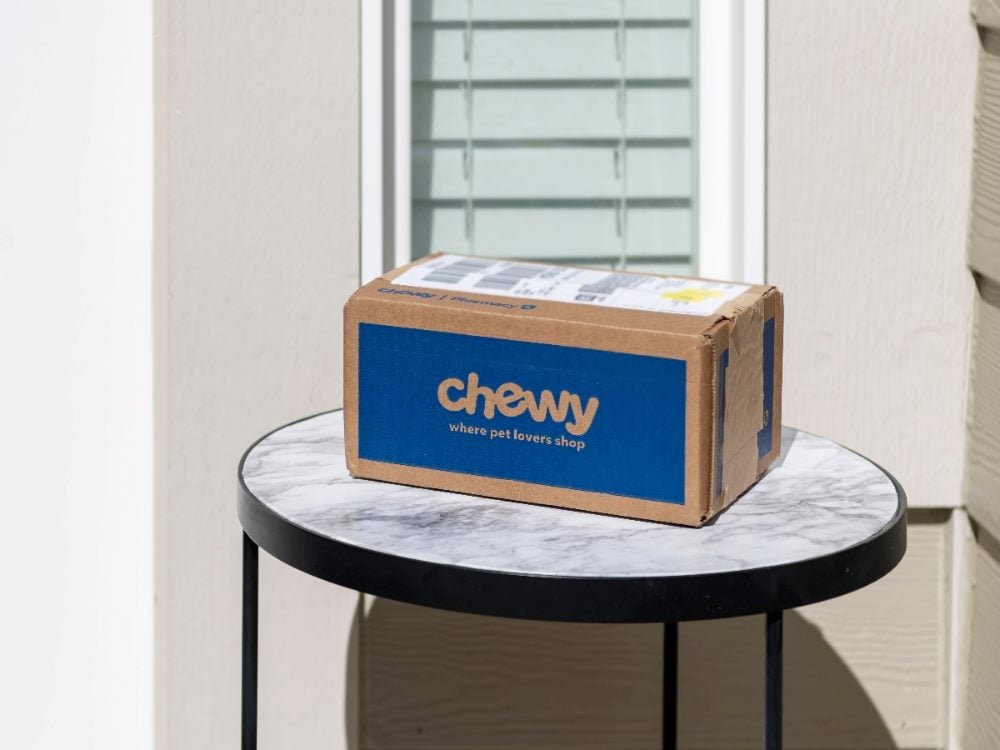
One example: Ellen recounts how she reached out to the pet‑care company Chewy after her dog passed away. “The rep did something remarkable. She made the interaction about my grief, not the transaction.” The rep offered condolences, refunded orders, cancelled auto‑shipments and sent flowers. “I didn’t have to recite my email address … I didn’t have to look up order numbers … One online chat to handle everything.”
Even though Ellen was no longer a current buyer at that moment, she says “heck yes” she will return when ready. That interaction elevated service into brand advocacy.
This illustrates the power of service when it aligns with brand values of empathy, humanity and relational rather than mechanical exchange. When done well, service isn’t just reactive. It becomes part of the brand story.
A comparison of traditional cost-center service vs. brand-centered, emotionally intelligent service.
| Dimension | Traditional Service | Brand-First Service |
|---|---|---|
| Primary Purpose | Resolve issues efficiently | Strengthen loyalty and emotional connection |
| Agent Focus | Scripts, compliance, speed | Empathy, context, customer story |
| Data Usage | Historical dashboards, KPIs | Real-time signals + lifecycle awareness |
| Customer Experience | Transactional, mechanical | Human-centered, emotionally resonant |
| Outcome | Issue resolved | Advocacy, affinity, superfans |
Related Article: Want Customer Loyalty? Don't Go the Way of CRM
What’s the smallest unit of a brand‑defining service interaction? It’s not the long call or the complex escalation. It’s an emotionally rich micro‑moment: a short, human interaction that recognizes the customer’s context, signals care and deepens connection.
In Ellen’s example, the simplicity of the solution made the moment: no hoops, no script, no proving the customer’s case. Just a human acknowledging a human loss. That’s what made it memorable.
For CX leaders, deliberately designing for these micro‑moments means shifting away from “first‑call resolution” only and toward “first‑feeling resolution” — the feeling of being seen, heard, and valued. Questions to ask:
Many organizations invest heavily in dashboards and reporting systems — useful for tracking trends, but less so for enabling immediate, personalized service. Ellen emphasizes the distinction: “Dashboards tell you what happened yesterday … real‑time data tells you what’s happening with this customer, right now.” She continues: “The representative could see my purchase history, scheduled deliveries, patterns … so she understood not just what I was saying in that moment, but who I was as a customer and what I’d likely need going forward.”
In practice, this means:
The key is real‑time, integrated, immersive service intelligence — not siloed scoreboards or static KPIs. When agents don’t have to go hunting for context or log into multiple systems, they can lead with empathy and personalization.
Related Article: Verizon on the New CX Equation: AI + Agent Experience = Loyalty
Data infrastructure is often built around a customer data platform (CDP), which is necessary but not sufficient. Ellen cautions: “More data doesn’t automatically mean better service… It can overwhelm reps or obscure real signals in a deluge of information.” Her advice: CX leaders must shift from “what can we show agents?” to “what should we show them? And how?”
That’s where human‑centered storytelling comes in. The data must be translated into narrative; not “47 transactions in 18 months” but “long‑time customer, recently increased frequency, potential life event.” Those few words orient the agent’s mindset and guide their response.
Successful strategy builds the bridge between tech/data teams (who deliver pipelines, integrations, APIs) and CX/marketing teams (who understand emotional resonance and human behavior). The result is a service intelligence layer that prioritizes what’s relevant and inspires agents to act.
In a world where customers expect seamless self‑service and instant responses, service interactions that feel generic or mechanical only reinforce brand neutrality — or worse, friction. By contrast, emotionally rich, brand‑inflected service moments become a competitive differentiator. They’re not just about preventing churn; they’re about cultivating superfans.
When service becomes a “superfan‑making engine,” organizations move from reacting to tickets and calls toward proactively creating moments of connection, surprise and delight. For CX leaders ready to elevate their service game, the path is clear: Transform operational function into strategic experience, equip agents with meaningful signal and story and strive for emotional resonance over process perfection.
 Learn how you can join our contributor community.
Brittany Hodak is an award-winning entrepreneur, author, and customer experience speaker who has delivered keynotes across the globe to organizations including American Express and the United Nations. She has worked with some of the world’s biggest brands and entertainers, including Walmart, Disney, Katy Perry, and Dolly Parton. Connect with Brittany Hodak, 2025 Contributor of the Year: 