Editorial
Research Report
Building the Case for Modern Public Sector Messaging


Early in my career, I worked at record labels obsessed with one question: Why do some bands create lifelong fans while others fade away? That curiosity eventually led me to launch an entertainment startup, work with artists like Taylor Swift and Dolly Parton and realize that the same principles driving music fandom apply to every customer relationship.
The brands that win are not just the ones with the best product. They are the ones that make customers feel something.
That insight is more urgent than ever. Recent Gartner research projects that by 2029, agentic AI will autonomously resolve 80% of common customer service issues without human intervention. The efficiency gains are real, but so is the risk of automating away the moments that build customer loyalty. When AI is deployed without a clear philosophy for what it should and should not do, customers feel it immediately.
So, how should brands approach designing AI-driven customer experience that strengthen relationships rather than quietly erode them? Here are five ways brands to approach this:
Before a single workflow goes live, get clear on what feeling you want customers to walk away with. Is your brand warm and encouraging? Efficient and no-nonsense? Playful? Write it down.
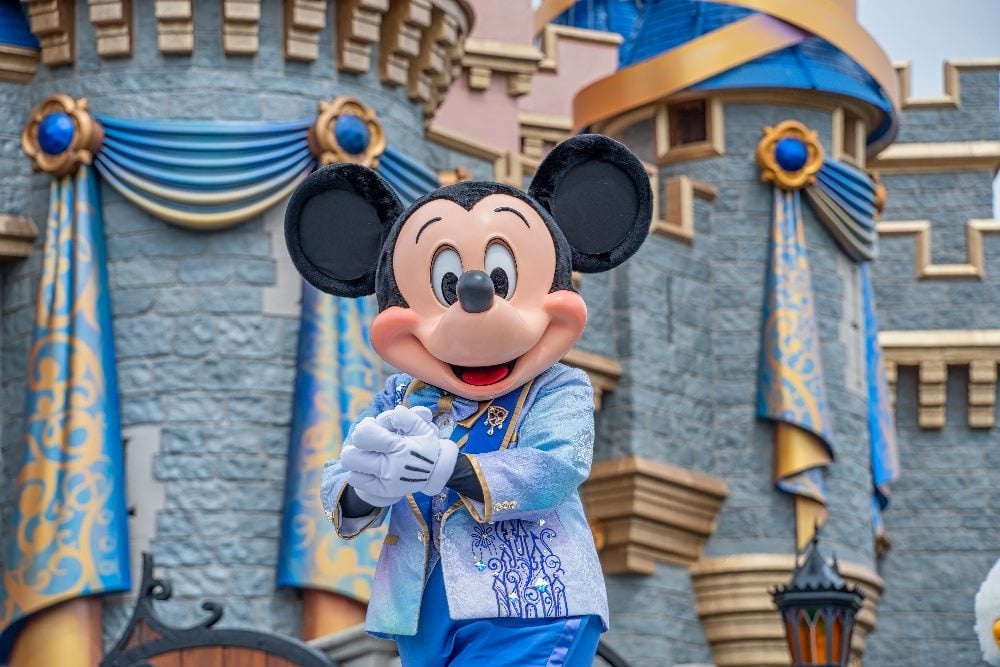
Disney doesn't merely build theme parks. It builds worlds with consistent emotional cues at every touchpoint, from a cast member's greeting to the shape of a trash can on Main Street. That consistency is what makes people cry when they walk through the gates.
Your AI agent needs a personality brief just as much as your human team does, covering how it greets, how it handles friction, even how it says goodbye. Without one, your bot sounds like every other bot. And nothing kills loyalty faster than a generic experience.
Most agentic AI is designed around what is convenient to automate, not what customers care about most. That is backward. Map the moments that matter most in your customer journey, where trust is made or broken and let those inform your agent's design from the ground up.
An agent built around genuine understanding does not just answer questions. It responds in context, with awareness of history, preferences and where the customer is in their journey.
Related Article: Agentic CX and Marketing: The Future of Customer Journeys
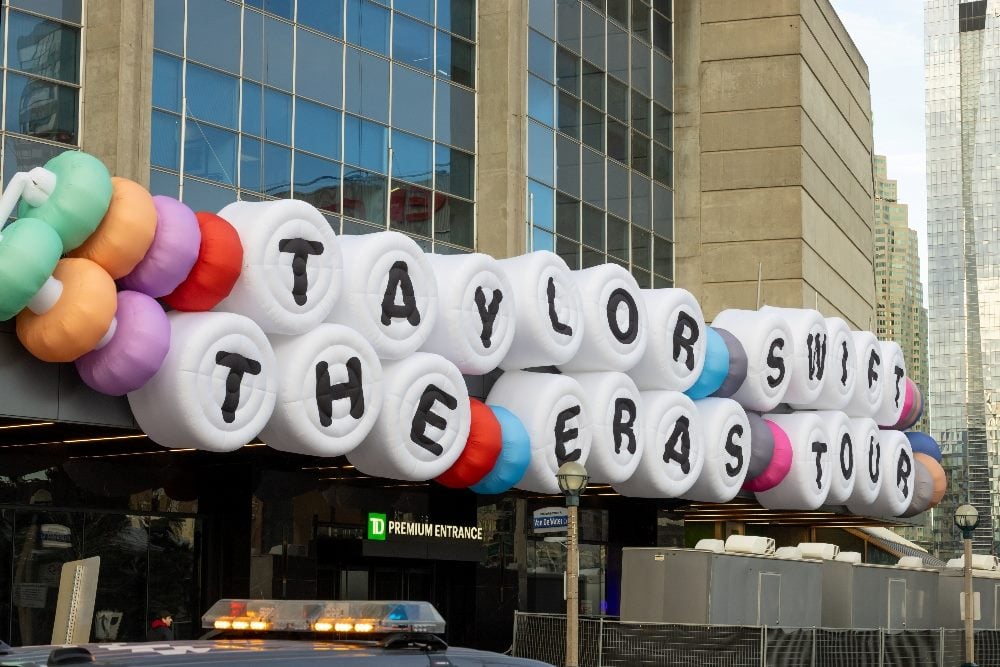
Taylor Swift's fans show up because she has spent years making them feel seen: hidden messages in album artwork, surprise drops timed to fan milestones, merch that feels personally curated. That is personalization as a long-term strategy, and agentic AI gives any brand that same power at scale. When your systems know a customer typically reorders every 30 days, a proactive message on day 28 is not intrusive; it is thoughtful. When a customer has had two recent service issues, routing them to a senior rep is relationship management, not a workaround. McKinsey has found that personalization drives an average revenue lift of 10% to 15%, and for top performers, as high as 25%.
Related Article: Privacy-First Personalization in Marketing Wins Customer Trust
One of my favorite questions to ask CX teams is, "When does your AI agent know it is out of its depth?" Most cannot answer clearly. That is a problem. The handoff from AI to human is one of the highest-stakes moments in any agentic experience.
In a 2024 survey, more than two-thirds of customers reported a bad chatbot experience, most often because the bot failed to understand their needs or blocked access to a human. That frustration does not stay private. Build explicit escalation logic into every agent: what signals trigger a handoff, what context transfers automatically, and how the transition is communicated. Done well, a smooth handoff builds trust. Done poorly, it undoes everything the automation earned.
Creating loyal customers requires consistency over time, and every AI interaction is either a deposit or a withdrawal from the relationship bank.
Matt Ramerman, SVP of customer success Americas at Sinch, put it well: "A well-handled conversation can restore confidence after a problem or help a customer make a better decision. It can also surface opportunities that genuinely benefit the customer, like a timely reminder to reorder something they rely on or a recommendation for a plan that better fits how they use the service. Over time, those moments compound, influencing loyalty, retention and long-term value."
The brands that create loyal advocates in an agentic world will not win by automating the most. They will win by making every automated interaction feel like it was designed with a specific person in mind. That is not a technology problem. It is a values problem. And it is one worth solving before your competitors do.
 Learn how you can join our contributor community.

Brittany Hodak is an award-winning entrepreneur, author, and customer experience speaker who has delivered keynotes across the globe to organizations including American Express and the United Nations. She has worked with some of the world’s biggest brands and entertainers, including Walmart, Disney, Katy Perry, and Dolly Parton.